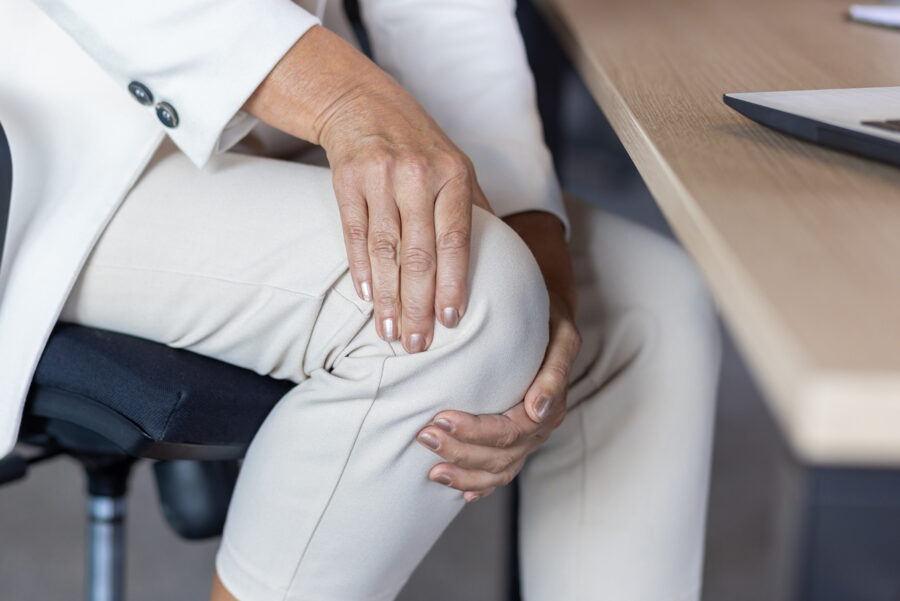
Our knees are essential in keeping us moving, but over time they can develop problems - whether from injury, general wear and tear, or conditions like osteoarthritis1, which causes joints to become painful and stiff.
Around 70,0002 knee replacement procedures are performed annually – mostly on older people. But with waiting lists for general surgery on the NHS regularly exceeding the 18 week target3, many people of all ages are left living with pain - and unable to go about their daily activities.
That in turn can lead to other health problems, including things like weight gain and depression4.
So what can we do to look after our knees and keep them in tip top condition?
1. Keep moving
One of the best things you can do for all your joints is to keep them moving. Not only can it relieve stiffness, but it can strengthen the muscles around your knee and improve balance – reducing your risk of injury.
2. Watch your weight
Additional weight puts additional stress on your knees, and that can damage your joints. Even a small weight loss can make a difference to the pressure your knee has to carry.
3. Eat for joint and bone health
It’s not just about how much you eat, it’s also about what you eat. You can look after your bones AND your joints by making sure you’re eating a diet high in protein, calcium and vitamin D – and low in saturated fats and highly processed foods.
4. Protect your knees
It’s well worth thinking about what you put your knees through, and how you can protect them. Some of the most common knee injuries5 include things like sprains, strains, tendon issues, and ligament and meniscus tears - often caused by a twisting motion.
Thinking about how you’re bending your knees when you lift heavy objects or play sports could help, as could warming up and down properly. You could also use a knee brace or pads if you know you’re going to be kneeling, falling or flexing more than usual.
5. Think about your feet
If you really want to look after your knees, you need to look after your feet, too. How you stand and walk has a major impact on your knees. Things like high heels and inflexible shoes can change your posture, and put pressure on your knee joints in the wrong place.
Choose comfortable, supportive shoes that allow your toes to move and your foot to flex as you walk - and see your GP or a podiatrist to sort out any foot problems or injuries as quickly as possible.
6. Don’t ignore pain, and look after injuries
If you do experience knee pain – or an injury - don’t ignore it and keep going as usual. Rest and raise your knee, use ice or an elastic bandage to reduce any swelling, and take paracetamol or ibuprofen for the pain.
If the symptoms don’t improve after a few weeks, it’s time to see your GP - or a physiotherapist - for more support.
How can Equipsme help?
Your Equipsme plan can help you look after your knees. Here’s how:
1. Health Support Line
If you need advice on how to look after a knee injury, the Health support line could be a useful port of call. Nurses can talk you through your symptoms, possible pain management, strengthening exercises – and when to see a doctor.
Find out more about how to use the health support line
2. GP Service
Equipsme’s GP service is there for you 24/7 - and most people get a video or phone appointment within 24 hours, at a time that suits them.
What’s more, Health Hero GPs can issue private referral letters that can be submitted as part of a claim to find out if the condition and treatment is covered – so if your knee needs more attention, they may be able to help get you to a specialist MSK or general surgery consultant faster.
Find out more about using the GP Service
3. Physio sessions
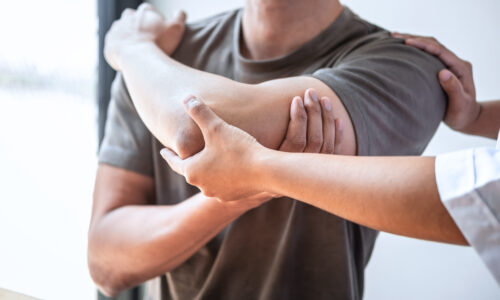
Every Equipsme plan includes a number of physiotherapy sessions through AXA Health. If your claim is assessed and eligible, the plan can help you get practical support for an MSK issue, without waiting for the NHS, or for things to get worse.
Find out more about how to make a physiotherapy appointment
4. Online outpatient support for MSK conditions
All Equipsme members can also access an online outpatient service for MSK issues. You don’t need a referral, and you can get an expert view in 3-5 days. With virtual support you might be given exercises to do at home, or referred on to see someone in person if clinically necessary. Any referral onto in-person physiotherapy will be subject to claim pre-assessment to confirm if covered or not.
Find out more about Online outpatient services for MSK
Further reading:
How to look after your back
How to look after your hips
All our information is desk-based research from credible sources only, including the NHS and medical/disease charities. Date reviewed: June 2026.
References:
1 www.nhs.uk/conditions/osteoarthritis/
2 Knee replacement surgery | NHS inform
3 Waiting Times For Elective (Non-Urgent) Treatment: Referral To Treatment (RTT) | The King's Fund
4 Musculoskeletal health: applying All Our Health - GOV.UK
5 Knee pain - NHS
Author: Abi Stevens