The menopause usually occurs between 45 and 55 years of age1 but it may be earlier. The average age in the UK is 51.
The bad news is that it can cause a wide range of physical and psychological symptoms that can last for several years. Up to 80-90%2 may have some symptoms, with 25% describing them as severe and debilitating
The good news is that we’re finally starting to talk about what happens to our bodies as we get older – and we’re finally starting to be able to access help to support us.
What is menopause and perimenopause?
The menopause occurs when a woman stops having periods for a year or more. After that year, she’s post-menopausal. And for years beforehand, she can be perimenopausal.
In perimenopause you get all the symptoms associated with The Menopause, but you still get to have periods too (even if they’re a bit erratic).
Those symptoms can include old well-known classics such as night sweats, hot flushes, and mood swings, but also things like insomnia, loss of sex drive and pain during sex, brain fog, concentration issues, joint pain, insomnia, heart palpitations, headaches, depression, anxiety and more - all of which aren’t as well recognised and can be very difficult to put together.
If you think you’re going through the menopause, or you know someone who is, your Equipsme plan may be able to help you get the support YOU need.
How your Equipsme plan can help you with the menopause
1. Blood tests
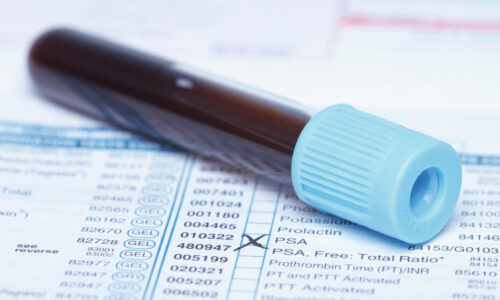
One way to establish whether or not your hormone levels indicate that you’re menopausal is through a blood test. They’re not always 100% accurate as your hormone levels change throughout the month, but they can be a useful diagnosis tool to indicate when there might be changes and why.
Equipsme members have access to blood tests and health checks through our partners at Thriva. Your access and discounts will depend what level of plan you’re on. One of the choices you can make is a test for female hormones. (Most members can use their discount, for Level 1 members it is included in your membership).
This checks things like oestradiol . levels (a type of oestrogen), testosterone, luteinising hormone (LH), and follicle-stimulating hormone (FSH) levels. It also checks thyroid function, which can also cause hormonal imbalances.
Log in to the Equipsme App or portal, click on the Health Check icon on your benefits page, and follow the instructions to setup your Thriva account, where you can find out more details and order your test if required.
Find out more about our health checks
2. GP Service
If you’re struggling to get in to see your own GP, or you’re not getting useful advice when you get there, you can contact the Equipsme GP service, provided by Health Hero.
They can help you discuss your symptoms and help get a plan together for next steps. That might be going back to your own GP armed with new information - or getting an open referral to see a specialist (which can be used as part of a claim if diagnosis is included on your plan, for AXA Health to assess if your claim is eligible).
Find out more about the GP service
3. Referrals
If you’re having gynaecological issues related to the menopause and need further investigation, people with diagnosis as part of their plan can now get an open referral for AXA Health to assess if you are covered to see a specialist through their Menopause Pathway. The referral can be from your own GP, or from the Equipsme GP service.
While you still can’t use your Equipsme plan for routine menopause management - you CAN use it for diagnosis, and if your claim is covered, get to see someone from a network of recognised AXA Health specialists accredited with the British Menopause Society. Many of these specialists offer remote consultations, offering greater flexibility and access to care.
Find out more about seeing a private consultant
4. Stress support
Don’t underestimate how much menopause symptoms can impact your mental health. If stress support is part of your plan, please do give them a ring. Qualified counsellors are there to help you with tricks and tools to manage your mood swings, understand your triggers, and help you cope better. It’s free, it’s confidential, and it can even extend to face-to-face sessions if they’re needed.
Find out more about the stress support line
5. Health support line
Don’t forget that even if you don’t have stress support, there’s still a team of medical professionals at the other end of the phone if you need them. The Health support line is staffed by nursers and other medical professionals, including pharmacists. They can help you talk through your symptoms, and even advise you on how to manage HRT medications you’ve been prescribed, or any side effects you’re experiencing.
Find out more about the nurse support line
6. And finally….
If you ARE prescribed HRT from a doctor, it’s worth knowing that you can save money on your NHS prescription by buying an annual HRT pass for £19.80 a year. It’s not a widely known scheme, but it could help you or someone you know afford the medication you or they need.
Useful resources:
Henpicked
The Menopause Charity
British Menopause Society
Menopause Support
All our information is desk-based research from credible sources only, including the NHS and medical/disease charities.
Author: Abi Stevens
Date reviewed: March 2026
References:
1 thebms.org.uk
2 thebms.org.uk