At Equipsme, we work with a range of organisations on rollouts that can look very different – from benefit marketplaces to blanket coverage and everything in between.
Here are some of the things we’ve learned along the way, and 5 reasons it might be time to opt-out of opt-in health benefits.
1. Human inertia
There’s a reason why the Government introduced auto-enrolment of pensions – because human inertia is real, especially when the risk or reward isn’t immediate.
If you’re not thinking about retirement, your pension was too easy to put off. In the same way if you’re not feeling ill, your health is easy to put off, too. Especially if you’re faced with a short window to pick from a plethora of other benefits.
When people don’t prioritise their health, they won’t have the support there when they actually need it. If they do opt-in at the point of illness or injury, that condition will automatically be pre-existing and is likely not to be covered.
Human inertia means less people will be covered in opt-in schemes, and your company doesn’t get the wider benefits. That includes things like preventative health checks, quicker appointments, faster prescribing and swifter escalation of serious issues - all of which can ultimately improve sickness absence rates, shorten return to work times, and boost productivity and engagement.
2. Equitability
With opt-in health benefits of any kind, you inevitably end up with Haves and Have Nots.
Typically, those choosing NOT to opt-in include those who aren’t digesting your communications - for instance if they don’t work from a computer all day because they’re on site, on the road or out in the field. Their salary level might also make those employees more sensitive to things like P11D tax, and they may not be familiar with private health insurance because they’ve never had it before.
Even though it’s been their own choice not to opt-in, you’ve essentially introduced or compounded an inequality within your business - creating a two-tier system based on job role and level.
3. Administrative burden
At Equipsme, we’ve found that companies taking on our plans on an opt-in basis face an increased administrative burden.
All the setting-up, communications and rollout processes are the same as they are for opt-out schemes, but harder precisely because they’re not universal. There's often someone who misses the email and asks to join two weeks after you’ve gone live, or worse still - someone who wants to join further down the line after an illness or injury that now isn’t covered.
It can be cumbersome for your HR team, can end up driving up complaints or issues, all of which you’re going through for a potentially lower impact and lower return on investment.
4. Low return on investment
At the end of the day, your investment is all about spend versus return. And the more people that are in your scheme, the deeper and more consistent the impact you’re likely to see - in terms of your sickness absences, those return to work times, and even productivity levels and engagement scores.
For many businesses, it’s also a use it or lose it situation. If you want to prove to investors, boards or financial teams your investment is worth it, your pool needs to be big enough to make a splash.
5. Communications challenges
Introducing something new lives and dies on your communications. Fully explaining a new health benefit is a significant challenge for any business, particularly if it has to be done within a relatively short window. The job is even harder in large organisations with dispersed populations, or large numbers of workers who don’t access email or intranets as part of every working day.
By contrast, with opt-out schemes you have a full plan year to continue to sell the benefit to your teams, drive up understanding and engagement, and encourage use.
Summary
If you’re looking to manage the health of your workforce for the long term, an opt-in programme could well be working against you.
In fact, the cost of doing nothing for large parts of your workforce could end up being MORE expensive than doing something, in terms of time off for illness, slower returns to work, lost productivity and presenteeism.
Our Return on Investment research estimates the true cost of absence for an employee with an average UK salary is around £446 per day. It also calculates that Equipsme plans can get people back to work potentially two times faster than the NHS - and give companies around a £3 return for every £1 spent.
In contrast to opt-in, opt-out schemes are by definition more universal, fair, and could support your key health and business goals more widely.
At Equipsme, most of our clients choose opt-out rollouts, and opt-out rates are typically only between 3-10%. The most common reasons include alternative cover through partners or relatives.
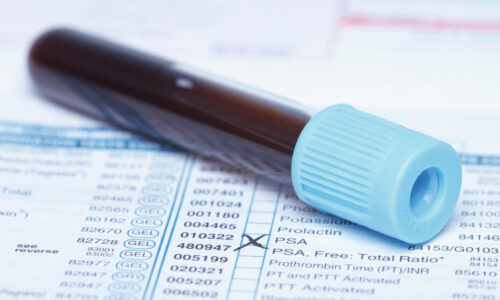
Meanwhile, usage is consistently high. 10-15% of members choose to pay-in themselves to upgrade or add family. 25-30% have used the 24/7 GP, 35% out of hours, and 85% got a first time diagnosis. 45% complete a home blood test, and 40% of our claims are for MSK conditions – one of the main causes for sickness absence.
Case study: Meeting the communications challenge at Imerys
The Imerys UK HR team initiated a review and subsequent update of the health benefits package provided to their UK colleagues. This proactive approach aimed to ensure the offerings remained competitive, relevant, and supportive of employee well-being, reflecting the company's commitment to its workforce.
A Benefits Specialist at Imerys explains: “Equipsme has also been fantastic to work with - really gone above and beyond for us. There were some elements of the scheme that didn’t quite work for us, and the team at Equipsme worked with us on a bespoke solution so that our people could choose to upgrade or add family without paying over the odds in P11D tax.
“Every step of the way, we’ve found the support and communications from the team at Equipsme to be brilliant. A significant challenge we face is effectively communicating with all employees across our various sites. This is particularly difficult for those who do not have regular computer access or a smartphone. This meant that they did not have access to open emails or engage with communications via the intranet.
“Instead of the usual marketing campaigns, we arranged roadshows to introduce Equipsme to our employees during many face-to-face site visits. Equipsme has been there with literature, leaflets and videos - participating in lunch and learns, and attending internal events to help us spread the word – not just at the start of our plan but throughout the year. We don’t want our colleagues to ‘only have the health plan’, we want them to ‘use it’, so the ongoing support from Equipsme has been key to maintaining engagement.
“I would definitely recommend Equipsme to other businesses that want to make a positive change that impacts more people across their organisation in terms of health support. If valuing all your people is important to your culture, Equipsme is one way to actually put that into action.”
All our information is desk-based research from credible sources only, including the NHS and medical/disease charities.
Author: Gavin Shay
Date created: June 2026