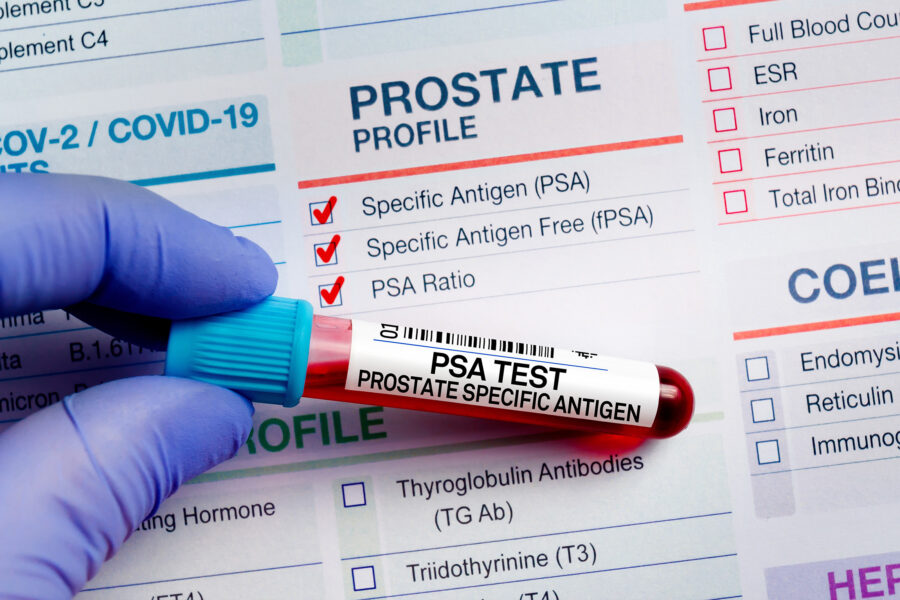
What is a prostate?
The prostate is a small, walnut-size gland under the bladder and behind the penis. It produces a thick fluid that mixes with sperm to make semen.
As you get older, problems with your prostate become more common, and a PSA test is one way to find out what’s behind them.
Where can you get a PSA test?
Men aged 50 or over can ask their GP for a FREE PSA test, even if they do not have prostate symptoms.
Some local pharmacies also offer these tests, as do Equipsme’s health check partners Thriva.
All Equipsme plans come with an annual health check from Thriva. There’s different test choices or discounts at different levels, and PSA is one option included for members on Diagnosis and Treatment - Level 2.
- GP Plus (Level 4) – 30% off any test each year (including PSA)
- Diagnosis (Level 3) - one choice of Cholesterol OR Diabetes test, AND 20% off any other test
- Diagnosis and Treatment (Level 2) – one choice of PSA, Heart health, Diabetes OR Thyroid test, AND 20% of any other test
- Diagnosis and Treatment Plus (Level 1) – one choice of Heart health, Men’s health, Women’s health, Thyroid and Iron, OR Diabetes test, PLUS 20% off any other test.
Why might you need a PSA test?
You might want to take a PSA test if you want to check on your prostate, particularly if you’re experiencing common prostate issues or symptoms. These might include:
- Urinating more than usual, especially at night
- Problems starting a wee or emptying your bladder completely
- The sudden urge to go to the loo
- Blood in your urine or semen
- Problems getting or keeping an erection.
How do I prepare for a PSA test?
While a PSA test is a very simple blood test, it’s important to remember a few key things For 48 hours before your test, don’t have sex, ejaculate, or do strenuous exercise. All of these can increase your PSA levels and make the test less accurate.
What if my PSA test results show my PSA levels are high?
Try not to worry. Having raised PSA levels doesn’t mean you have prostate cancer. It can also signal other prostate issues, including an enlarged prostate or an infection.
Your doctor may ask you to repeat the test, or send you for further tests to work out what’s going on. Those might include things like a physical examination, urine test, biopsies or scans.
How can my Equipsme plan help?
As well as the at-home PSA tests through Thriva, you can also talk to Health Hero GPs about any concerns you have about your health. While they can’t physically examine you, they can talk through your symptoms, and procedures and processes like getting checked for prostate cancer.
With Diagnosis as part of your plan, you can also arrange to see a urologist through AXA Health. If your claim is assessed and authorised as covered, it means you can get the tests, scans and answers you need, faster. There’s even an Online Outpatient Service for extra support for prostate cancer symptoms that you can access to get an expert view often within 3-5 days.
Useful articles:
How to make a GP appointment
How to see a consultant for a diagnosis
How to access Thriva health checks
What is prostate cancer?
What is the cancer support line?
How Equipsme supports Men’s Health
How to access extra support for cancer symptoms
Useful resources
PSA test - NHS
Prostate cancer – NHS
Enlarged prostate – NHS
Prostate Cancer UK
All our information is desk-based research from credible sources only, including the NHS, Cancer Research, and registered medical/disease charities.
Author: Abi Stevens
Date updated: August 2026