Prostate cancer is the most common cancer for men in the UK 1, with around 1 in 8 men expected to get it in their lifetime… Which means it’s a good idea to have an understanding of what it is, and more importantly what the symptoms are, so that you can get checked out sooner rather than later.
What is a prostate?
Your prostate is a small gland that sits between your penis and your bladder, surrounding the urethra – the tube that takes your wee out of your body.
It’s there to produce the thick white fluid that becomes semen when it’s mixed with sperm from the testicles.
What is prostate cancer?
Simply put, cancer inside the prostate gland.
Sometimes prostate cancer grows very slowly, doesn’t really cause any problems, and won’t need treatment.
Sometimes prostate cancer grows quickly, and that’s when it’s more likely to start causing problems – and spread elsewhere in your body. Catching and treating it early is key.
What are the symptoms of prostate cancer?
You might notice symptoms of prostate cancer 2 when you’re going for a wee. They include things like:
- Needing to go more often – especially at night
- Needing to go suddenly – and maybe dribbling or leaking before you reach the loo
- Straining to wee
- A weak flow
- Taking a long time to finish
- Feeling like your bladder isn’t empty
Some people may even experience pain when urinating or ejaculating.
Is it always prostate cancer?
No! Lots of the symptoms above can be caused by what you happen to be eating or drinking, or other conditions – including things like an enlarged prostate 3, or prostatitis 4, which is an inflammation of the prostate.
It’s still always worth getting anything new or unusual for you properly checked out though – especially if you’re someone at a higher risk of getting prostate cancer.
Who’s at risk of prostate cancer?
You’re more at risk for prostate cancer 5 if you’re over 50. The most common age for men to be diagnosed with prostate cancer is between 65 and 69 years.
For reasons that aren’t fully understood you’re also more at risk if you’re a black man – with up to 1 in 4 black men more likely to be diagnosed in their lifetime.
Your family history also plays a part - particularly if your dad or brother have had prostate cancer, but there also seems to be a link to breast cancer if your mum or sister have had that.
How is prostate cancer diagnosed?
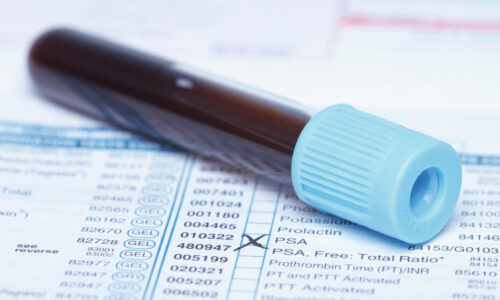
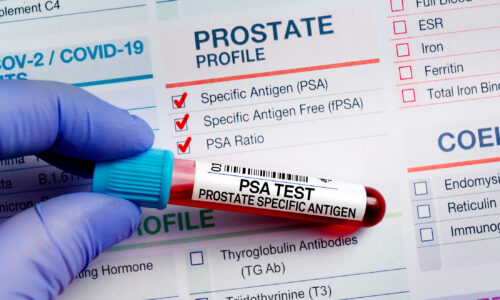
There’s no specific test for prostate cancer, but a diagnosis is made through a combination of things including a PSA blood test measuring levels of a prostate-specific antigen, an MRI scan, a biopsy – and the famous digital rectal examination we’ve all heard so much about.
What happens in a digital rectal examination?
A digital rectal examination is where a doctor or nurse uses a finger to check for any problems inside your bottom.
It’s usually very quick and painless – if they’re pressing on your prostate you might just feel like you need to have a wee.
You can ask for a male or female practitioner if you want to, get changed in private behind a curtain, and even take a friend in with you if it would make you feel more comfortable.
How is prostate cancer treated?
If you are diagnosed with prostate cancer, often no treatment is needed at all. If it’s not causing any major problems and it’s not spreading, watching and waiting is very often the way things go.
Your condition will of course be carefully monitored. If you do need intervention, that can include things like surgical removal of the prostate, radiotherapy 6, hormone therapy, or newer treatments like high-intensity focused ultrasound (HIFU)7 and cryotherapy 8.
There is a risk of side effects with any sort of treatment, which can include things like urinary and erectile dysfunction. It’s really important to talk through the options and understand the pros and cons of each sort of intervention – and get the right support to live with and manage your condition.
How can Equipsme help?
1. GP service
If you can’t get an appointment with your NHS GP that suits your working hours, or if you’re squeamish about talking to someone in person, our virtual GP service is there for you 24/7. While they can’t do a physical examination, they can talk through your symptoms, and procedures and processes like getting checked for prostate cancer.
On average, our members get GP appointments within 24 hours, there’s no time limit on your consultation, and the 24/7 Health Hero GPs can issue open referral letters that can be submitted as part of a claim to find out if the condition and treatment is covered. And if you’d rather speak to a male or female GP you have the option to choose.
How to make a GP appointment
2. Thriva tests
All Equipsme members have access to an annual health check and discount from Thriva – depending on what level of plan they’re on. A PSA test is one option included for members on our Diagnosis and Treatment - Level 2 plan.
- GP Plus (Level 4) – 30% off any test each year (including a PSA test)
- Diagnosis (Level 3) - one choice of Cholesterol OR Diabetes test, AND 20% off any other test
- Diagnosis and Treatment (Level 2) – one choice of PSA, Heart health, Diabetes OR Thyroid test, AND 20% of any other test
- Diagnosis and Treatment Plus (Level 1) – one choice of Heart health, Men’s health, Women’s health, Thyroid and Iron, OR Diabetes test, PLUS 20% off any other test.
It’s another option if you’re looking for peace of mind, struggling to see a GP, or if you’ve been told to monitor your PSA levels over time.
Remember, you can also get a FREE at-home PSA test from your own GP, or pay for one from some local pharmacies.
How to arrange a home health check
3. Diagnosis – Online Outpatient Service
If diagnosis is part of your plan, and you’ve got raised PSA levels, you can access quicker diagnosis services for prostate cancer through AXA Health.
Just click on the diagnosis icon in your member portal, and contact AXA Health. If your claim is assessed as eligible, an appointment can be made for you at a suitable nearby clinic, normally within 5 working days. The Check4Cancer team will guide you through the next steps.
Find out more AXA Health’s extra support for cancer symptoms
4. Cancer support line
If it is prostate cancer, you’ll go back to the NHS for any treatment. But your Equipsme plan can still support you and your family via the Cancer support line from AXA Heath. They can talk you through your diagnosis, treatment options, and help you with any questions or queries throughout your cancer journey.
What is the cancer support line?
How do I find out more about prostate cancer?
There’s loads of great resources to find out more about prostate cancer. Here’s some of them:
The NHS
Prostate Cancer UK
Movember
Cancer Research
Further reading
What is a PSA test?
Extra support for cancer symptoms – Online Outpatient Services
How Equipsme supports Men’s Health
How to check your testicles for testicular cancer
How to arrange a home health check
How to use the 24/7 GP Service
How to see a consultant for Diagnosis
Sources
All our information is desk-based research from credible sources only, including the NHS, Cancer Research, and registered medical/disease charities.
Author: Abi Stevens
Date updated: August 2026
Sources
1 Prostate Cancer UK | Prostate Cancer UK
2Symptoms of prostate cancer - NHS
3Enlarged prostate - NHS
4Prostatitis - NHS
5Infographic: What is my risk of prostate cancer? | Prostate Cancer UK
6Radiotherapy - NHS
7High intensity focused ultrasound (HIFU) focal therapy | Prostate Cancer UK | Prostate Cancer UK
8Cryotherapy treatment for cancer | What is cryotherapy?